Vintage Coffee SVG Bundle: A Designer's Review
As someone who spends more time than I care to admit staring at digitized files before they ever hit the hoop, I approach new design assets with a healthy dose of skepticism. The market is flooded with generic graphics that look great on a screen but fall apart under the needle. So, when I pulled up the Vintage Coffee Svg Bundle, my first instinct wasn't to rush to the checkout; it was to scrutinize the lines, anticipate the stitch-out, and imagine how these vectors would translate into thread on actual fabric.
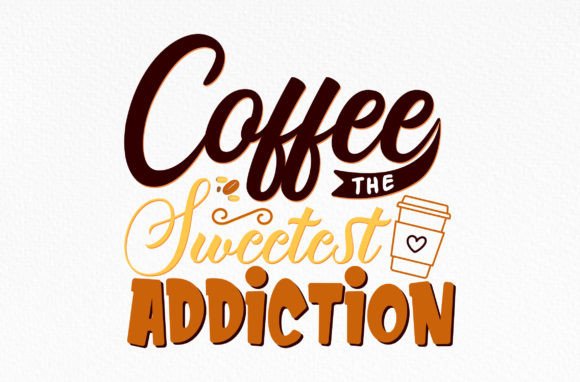
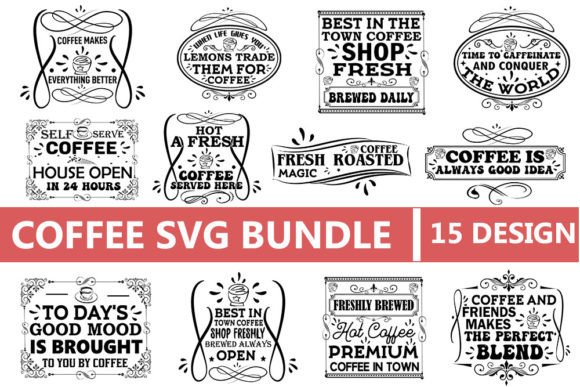
This isn't just a collection of Graphics for digital scrapbooking; for us in the Crafts community, specifically those running small shops or creating personalized gifts, these files represent potential inventory. The bundle arrives as a comprehensive zip file containing 15 files in SVG, PNG, EPS, and DXF formats. While the variety of formats suggests versatility for cutting machines and embroidery software alike, my focus here is strictly on how these designs perform as a machine embroidery design for real-world projects.
The Aesthetic: Warmth and Wearability
The first thing that strikes me about this collection is the mood. "Vintage" can often mean distressed to the point of illegibility, but these designs strike a balance between retro charm and modern clarity. The shapes feel organic, avoiding the rigid, overly geometric lines that sometimes plague coffee-themed art. For an embroidery project, this is crucial. Clean, flowing lines in an embroidery file usually translate to smoother satin stitches and fewer jumps, which means a cleaner finished product.
Visually, these designs scream "cozy." They naturally belong on items meant to be held, worn, and loved. I immediately pictured them on a heavy-weight canvas tote bag design or a soft, brushed fleece sweatshirt embroidery. The visual personality of the bundle leans towards the boutique aesthetic—perfect for a cafe owner branding their staff aprons or a maker creating holiday gifts for the caffeine-obsessed family member.
Real-World Application: The Tote Bag Test
To truly evaluate the Vintage Coffee Svg Bundle, I mentally walked through a specific client scenario: a custom order for a local roastery needing branded merchandise. They wanted something that looked handcrafted but professional enough for retail sale. I selected one of the simpler mug motifs from the bundle to test conceptually.
On a textured canvas tote, the vintage style works exceptionally well. The slight irregularities in the vector paths mimic the look of hand-drawn art, which hides minor stitching imperfections better than ultra-sharp digital fonts. If I were stitching this out, I'd likely opt for a fill stitch for the main body of the mug to give it weight, paired with a running stitch for the steam details to keep it airy. The result would be a handmade product that feels substantial and high-value, justifying a higher price point for the seller.
However, the application changes if we move to custom apparel. On a tri-blend t-shirt, the same design might require a different approach. The stretchiness of the fabric demands careful consideration of stitch density. If the original vectors are too dense, the fabric will pucker. Since the provided files are SVGs and DXFs, the onus is on the embroiderer to ensure their software converts these into an appropriate embroidery file format (like PES or DST) with the correct pull compensation. This bundle provides the artistic foundation, but the technical execution remains in your hands.
Navigating Fabric and Hoop Challenges
Not every design in a 15-piece bundle will work everywhere, and honesty is key here. While the larger, bolder icons in the Vintage Coffee Svg Bundle are fantastic for pillow covers or kitchen towels, some of the intricate details might struggle on difficult surfaces. For instance, attempting to stitch these on a curved surface like a cap requires extreme caution. The distortion on a structured front panel can warp the vintage proportions, making the text or fine lines look skewed.
Similarly, if you are working with thin fabrics like silk or lightweight linen for a sophisticated personalized gift, you must pay attention to the smallest elements. Tiny lettering or delicate steam swirls could get lost or cause bird-nesting if the thread colors don't contrast enough with the background. I always recommend testing the design on scrap fabric first. Check how the stabilizer interacts with the material; a cut-away stabilizer is often safer for garments that will see frequent washing, ensuring the embroidered patch effect remains stable over time.
Commercial Viability and Brand Consistency
For the Etsy seller or creative entrepreneur, consistency is currency. Using a cohesive bundle like this helps build a recognizable brand identity. If you are selling a line of baby embroidery items, perhaps for a baby shower gift set, the softer, rounded elements of this bundle could be adapted nicely, provided you scale them appropriately for smaller hoops.
The inclusion of PNG and EPS files is a thoughtful touch for those who also deal in digital products. You can create printable mockups to show clients exactly how the custom apparel will look before committing to thread. This builds trust and reduces the back-and-forth communication that eats up a small business owner's time. When a customer sees a realistic preview generated from these high-quality design assets, their confidence in your professionalism skyrockets.
Practical Notes for the Stitcher
Before you dive into production, here are a few grounded recommendations based on the nature of these files:
- Check Licensing: Always verify the specific license terms included in the zip file. While these are ready to use, confirming whether they allow for unlimited commercial sales of finished physical goods versus digital resale is vital for protecting your craft business.
- Digitizing Verification: Since these are vector files (SVG, DXF, EPS), they need to be digitized or converted by your embroidery software. Do not assume the auto-digitize function will be perfect. Review the stitch sequence, especially for color changes, to minimize trim times.
- Contrast Testing: Vintage styles often rely on muted tones. Test your thread chart against both light and dark fabrics. A design that pops on cream canvas might vanish on a navy sweatshirt unless you adjust the thread weights or add a backing layer.
- Hoop Selection: Confirm the dimensions of the largest design against your available hoop sizes. Some vintage frames can be wide; ensure you have a large enough hoop to avoid re-hooping, which risks misalignment.
In conclusion, the Vintage Coffee Svg Bundle offers a solid foundation for anyone looking to add warmth and character to their embroidery portfolio. It bridges the gap between digital convenience and tactile craftsmanship. Whether you are creating a one-off holiday embroidery gift or stocking shelves for a small shop product line, these designs hold up well under scrutiny. They invite creativity but demand respect for the medium. Treat them as a starting point for your expertise, apply the right stabilizers, choose your threads wisely, and you'll end up with a finished product that customers will cherish for years.