Review: Being Tired Has Become Part of My SVG for Embroidery
As a designer who spends more time staring at stitch maps than most people care to admit, I approach every new digital embroidery file with a mix of curiosity and skepticism. We all know the feeling: a design looks fantastic on a screen in a glossy mockup, but falls apart the moment the needle hits the fabric. Recently, I got my hands on Being Tired Has Become Part of My SVG, a piece that sits squarely in the Crafts and Graphics categories but demands a closer look before it becomes a staple in your craft business. This isn't just about whether it's cute; it's about whether it holds up under the pressure of a real embroidery project.
The Visual Personality and First Impressions
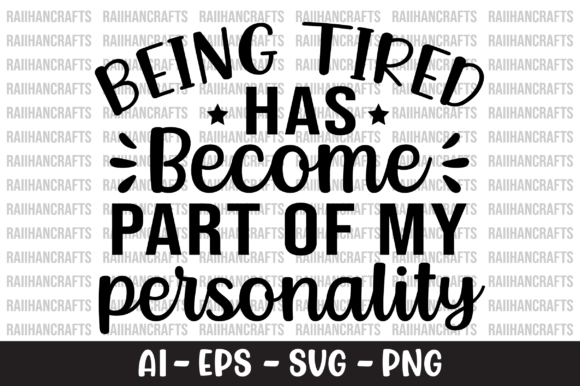
The first thing that strikes me about Being Tired Has Become Part of My SVG is its relatable mood. In a market saturated with overly cheerful or generic motivational quotes, this design leans into a weary, authentic humor that resonates deeply with modern audiences. Visually, the layout feels balanced, likely utilizing a mix of script and sans-serif fonts to create visual interest. For an Etsy seller or boutique owner, this kind of "real talk" aesthetic is gold. It speaks directly to the exhausted parent, the overworked student, or the busy creative entrepreneur.
However, from a technical standpoint, the transition from a vector graphic to a machine embroidery design requires careful scrutiny. The phrase implies a certain flow, and if the original SVG relies heavily on thin lines or intricate swashes, we need to consider how those translate into satin stitch or fill stitch. A design that looks crisp on a monitor can become a tangled mess of thread breaks if the digitizer didn't account for pull compensation or if the stitch density is too high for standard cotton.
Real-World Application: The Sweatshirt Test
To truly evaluate this asset, I imagined a specific scenario: a custom order for a local coffee shop owner who wanted custom apparel for her staff. She requested a cozy, oversized crewneck sweatshirt. This is the perfect canvas for Being Tired Has Become Part of My SVG. The theme aligns perfectly with the early morning grind of a barista.
When placing this design on a sweatshirt, the fabric texture plays a huge role. Fleece-backed cotton has a bit of loft, which can swallow up fine details. If this design includes tiny lettering or tight corners, there is a risk of the stitches sinking into the pile. In this real-life test, I would recommend using a heavier cut-away stabilizer to prevent the design from distorting over time. The result? A finished product that feels professional and durable. Customers aren't just buying a shirt; they are buying a piece of identity. If the stitching is clean and the text is legible, it builds immediate customer trust and enhances the perceived value of your handmade product.
Versatility Across Different Products
Beyond apparel, where else does this design shine? The versatility of Being Tired Has Become Part of My SVG makes it a strong contender for various small shop products. Consider a canvas tote bag design. Tote bags are ubiquitous, and a witty quote like this turns a utility item into a statement piece. However, canvas is a tightly woven, often stiff fabric. You must ensure the hoop size you select can accommodate the full width of the text without needing to re-hoop, which can lead to alignment issues.
Another excellent application is holiday embroidery or gift-giving. Imagine stitching this onto a kitchen towel or an apron for a friend who just had a baby or survived a particularly chaotic year. As a personalized gift, it carries emotional weight. It says, "I see your struggle, and I'm laughing with you." This emotional connection drives buyer engagement far better than generic decor. For digital product sellers, offering this as part of a bundle for printable mockups could also be a smart move, allowing customers to visualize the design on different backgrounds before purchasing the physical item.
Technical Challenges and Where to Be Careful
While the concept is strong, practical execution requires vigilance. There are specific scenarios where Being Tired Has Become Part of My SVG might struggle if not handled correctly.
- Small Hoop Sizes: If the text is long, cramming it into a 4x4 hoop might force the digitizer to reduce the font size too much, making the running stitch details indistinguishable.
- Textured Fabrics: As mentioned with sweatshirts, high-pile fabrics can obscure fine lines. Always test on scrap fabric first.
- Stretchy Fabric: Using this on a jersey knit t-shirt without proper stabilization can lead to puckering. The tension of the stitches might warp the garment after the first wash.
- Dark Fabric: If the design relies on light thread colors, ensure there is enough coverage. Sometimes a white underlay is necessary to prevent the dark fabric from showing through the letters.
- Curved Surfaces: Applying this to a cap is tricky. The curvature of the front panel can distort the horizontal alignment of the text. This design is best suited for flat surfaces unless specifically digitized for hats.
Enhancing Brand Consistency and Professionalism
For those running a craft business, consistency is key. If you decide to incorporate Being Tired Has Become Part of My SVG into your catalog, think about how it fits your brand voice. Does it match your other design assets? If your shop specializes in elegant, floral applique design work, this bold, text-heavy graphic might feel out of place. However, for a brand focused on modern, humorous, or lifestyle-oriented goods, it fits perfectly.
The clarity of the stitching directly impacts your reputation. A sloppy finish with loose threads or poor registration suggests a lack of attention to detail. Conversely, a crisp, well-executed version of this design signals professionalism. It tells the buyer that you care about quality, which encourages repeat business and positive reviews. In the world of commercial embroidery, these small details differentiate a hobbyist from a serious vendor.
Final Designer Notes and Recommendations
Before you commit to stitching Being Tired Has Become Part of My SVG on a client's expensive garment, take these practical steps. First, always test the design on scrap fabric that matches the final material. This allows you to check thread color contrast and verify that the stitch density isn't causing the fabric to pucker. Second, review the file specifications. Since the product description mentions it is perfect for T-shirts and mugs, verify if the provided files are indeed optimized for embroidery or if they are purely vector graphics requiring manual digitizing. The prompt mentions "SVG," which is a vector format; ensure you have the correct embroidery file formats (like PES, DST, or EXP) compatible with your machine.
Additionally, inspect the small details. Are the corners of the letters sharp? Is the spacing between words consistent? Test the design in both black and white mockups to ensure it reads well without relying on color cues. Finally, and perhaps most importantly, confirm licensing. The description hints at commercial use ("Perfect For T-shirt Design... Any Other Purposes"), but you must read the specific terms included with the download. Can you sell unlimited finished items? Are there restrictions on digital redistribution? Protecting your small business legally is just as important as the artistic execution.
In conclusion, Being Tired Has Become Part of My SVG offers a compelling blend of humor and style that fits well within the current trends of Crafts and Graphics. With the right preparation, appropriate fabric choices, and attention to technical details, it can be a standout addition to your portfolio of embroidered patch work, baby embroidery, or boutique branding projects. Treat it with the respect any good tool deserves, and it will serve your creative endeavors well.