Review: 4th of July America Vibes SVG for Embroidery
As a designer who spends more time staring at stitch simulations than I do sleeping, I approach every new file with a healthy dose of skepticism. We have all been there: you buy a digital embroidery file that looks crisp on the screen, only to find it turns into a bird's nest of thread once it hits the hoop. That is why I took a close look at the 4th of July America Vibes SVG Design before committing it to any client projects. This isn't just about whether the graphic is cute; it is about whether it translates into a durable, high-quality handmade product that stands up to real-world wear.
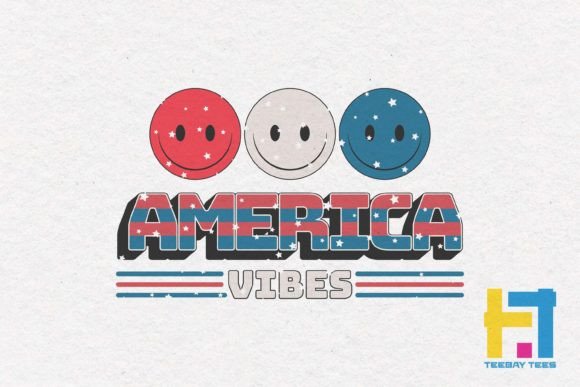
The first thing that strikes me about this design is its mood. It leans heavily into that nostalgic, vintage Americana aesthetic that has been dominating social media and boutique shelves lately. The combination of the "America Vibes" text with the smiley face and flag elements creates a playful yet patriotic tone. For an Etsy seller or small shop owner, this visual personality is gold. It feels less like a stiff, formal holiday decoration and more like something a customer would want to wear to a backyard barbecue or a local parade. However, from a technical standpoint, the transition from a vector graphic in the Crafts and Graphics categories to a stitched reality requires some careful planning.
Real-World Application: The Tote Bag Test
To truly evaluate this machine embroidery design, I imagined a specific scenario: creating a limited run of canvas tote bags for a local summer market. Canvas is a forgiving fabric, but it has texture. When I visualized the 4th of July America Vibes SVG Design on a natural cotton canvas, the red, white, and blue palette popped beautifully. The vintage style of the lettering suggests that slight imperfections in stitching might actually add to the charm rather than detract from it.
If I were producing this as a custom apparel item, say a heavyweight sweatshirt, the design's layout works well centered on the chest. The smiley face element adds a whimsical touch that broadens the appeal beyond traditional patriots to younger demographics looking for trendy holiday embroidery. However, if you are planning to use this for baby embroidery, you need to be cautious. The density of the fill areas in the flag stripes and the text needs to be soft enough for sensitive skin. A heavy satin stitch border might be too scratchy for a onesie, so swapping to a softer fill stitch or even considering an applique design approach could be smarter.
Technical Considerations for Stitching Clarity
One of the biggest challenges with vintage-style graphics is maintaining clarity without over-complicating the stitch count. Since the product description mentions this is an SVG intended for printing on mugs and stickers, we have to assume the original lines are very fine. In the world of embroidery, fine lines can be treacherous. If you attempt to stitch tiny details of the smiley face or the thin strokes of the "Vibes" text using a standard running stitch on a stretchy fabric like a t-shirt, you risk distortion.
Before loading this onto your machine, you must check the stitch density. High-density areas, particularly in the solid blocks of the American flag, can cause fabric puckering if not managed correctly. This is where your choice of stabilizer becomes critical. For a project like a cap or a curved surface, a cut-away stabilizer is non-negotiable to prevent the design from shifting or sinking into the fabric texture over time. If you are working on a woven tea towel or pillow cover, a tear-away might suffice, but always test first.
I also worry about the color transitions. The design relies on red, white, and blue. While these are standard thread colors, the way they interact matters. If the white sections are too sparse against a dark navy sweatshirt, the underlying fabric might show through, ruining the crispness of the finished product. I recommend running a black-and-white mockup simulation in your embroidery software to check for contrast issues before you ever thread the needle.
Navigating Fabric Choices and Hoop Limitations
Not every surface is created equal. While this design screams "summer fun," placing it on textured fabrics like linen or waffle knit requires a different strategy than smooth cotton. The fabric texture can eat up fine details, making the text illegible. If you are aiming for a personalized gift like a kitchen towel, ensure the hoop size you select allows the design to sit flat without being stretched out of proportion.
Curved surfaces present another hurdle. If you decide to put this on a baseball cap for a craft business inventory boost, remember that the curvature compresses the design vertically. The smiley face might look squished if the digitizing wasn't optimized for caps. Always verify if the file you purchased includes a specific version for hats or if you need to adjust the pull compensation yourself.
Furthermore, consider the end user's lifestyle. A design meant for a decorative pillow cover faces different stresses than one on a tote bag design that will be thrown in the washing machine weekly. Dense stitch areas can become stiff and uncomfortable or crack after multiple wash cycles. For items needing frequent cleaning, I suggest simplifying the design slightly or ensuring the underlay is robust enough to anchor the top stitches securely.
Maximizing Commercial Value and Brand Consistency
For commercial embroidery professionals, the value of a design lies in its reliability. Does it stitch out quickly? Does it look expensive? The 4th of July America Vibes SVG Design has the potential to be a high-margin item if executed well. Its trendy vibe allows it to fit into various collections, from Fourth of July sales to general summer boutique drops. Using this as a printable mockup for your online store can generate interest before you even stitch a single unit.
However, professionalism is key. Nothing kills buyer trust faster than a sloppy stitch-out. Before listing this as a small shop product, inspect the small details. Are the corners of the letters sharp? Is the thread tension balanced? If you are selling these as design assets or finished goods, your reputation hinges on the quality of the execution. A clean, well-stitched version of this design can elevate your brand, signaling that you pay attention to the nuances of embroidery project management.
Final Designer Notes and Best Practices
If you are ready to move forward with this design, here is my practical checklist to ensure success:
- Test on Scrap First: Never run a new design on your final garment. Use a scrap piece of the exact same fabric and stabilizer combination.
- Check Thread Contrast: Ensure your reds and blues are distinct enough from each other and pop against your chosen fabric background.
- Verify Licensing: The description mentions use on T-shirts and mugs, but always confirm the specific license terms regarding commercial sales of finished items versus digital redistribution.
- Assess Detail Level: If the text is too small for your machine's capability, consider enlarging the design or simplifying the font before stitching.
- Stabilizer Strategy: Match your stabilizer to the fabric weight. Heavy designs on light fabric require maximum support.
- Mockup Variety: Create visuals showing the design on both light and dark garments to help customers visualize the embroidered patch or logo on their preferred item.
In conclusion, the 4th of July America Vibes SVG Design offers a strong foundation for creative entrepreneurs looking to capitalize on the summer holiday season. Its vintage charm and versatile theme make it suitable for a wide range of applications, from sweatshirt embroidery to home decor. However, its success depends entirely on the skill of the maker and the attention paid to technical details like density, stabilization, and fabric compatibility. Treat it with the respect a professional embroidery file deserves, and it can become a staple in your seasonal collection.