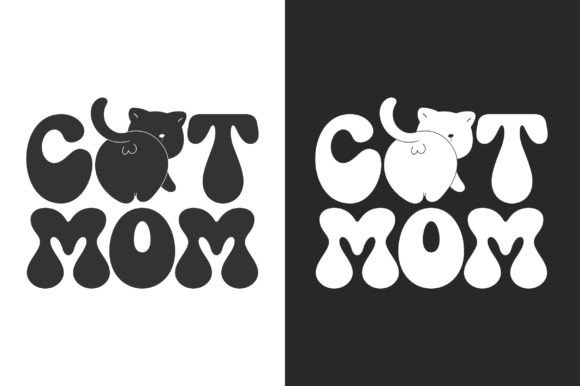
Retro Cat Mom SVG: A Designer's Review for Embroidery
As a designer who spends more time staring at stitch previews than I do sleeping, I approach every new digital embroidery file with a healthy dose of skepticism. We have all been there: you download a cute graphic, load it into your software, and realize the density is a nightmare or the details are too fine for anything other than a billboard. That is why I took a close look at the Retro Cat Mom SVG Sublimation T-shirt design. While the product title screams "sublimation," my brain immediately went to thread. Could this vector asset translate into a high-quality machine embroidery design for a real-world craft business? Let's dig into the practicalities.
First Impressions: Vibe and Vector Potential
The moment I opened the files included in this package—specifically the SVG and EPS formats which are crucial for us stitchers—the first thing that struck me was the clean geometry. The description notes that the design is made with 100 vector shapes, and honestly, that is music to my ears. In the world of Crafts and Graphics, messy nodes are the enemy. Clean vectors mean I can manipulate the paths in my digitizing software without fighting stray points or broken lines.
The aesthetic is undeniably retro. It captures that groovy, 70s-inspired mood that is currently dominating the Etsy seller market. The layout feels balanced, not too cluttered, which suggests it would convert well from ink to thread. However, because this is marketed primarily as a sublimation design, there are no pre-defined stitch types. This isn't a downside; it's an opportunity. It means I have full control over whether to use a plush fill stitch for the cat's body or a sleek satin stitch for the outlines. The "easy to change colors" feature mentioned in the file description is a massive plus for customization, allowing me to match specific brand palettes for clients.
Real-World Application: The Tote Bag Test
To truly evaluate this design, I imagined a specific scenario: a custom order for a local boutique needing a run of eco-friendly tote bags. The client wanted something trendy but durable. The Retro Cat Mom SVG Sublimation T-shirt theme fit perfectly. Since tote bags are usually made of canvas or heavy cotton, they can handle a decent amount of stitching.
If I were to digitize this for a tote bag design, I would lean into the retro vibe by using slightly textured fill stitches to mimic the grainy look of vintage prints. The shape of the cat and the typography (if included or added) would need to be scaled carefully. For a standard 15x15 inch bag, placing this design in the lower corner creates a subtle, high-end look. If placed centrally, it becomes a bold statement piece. The vector nature of the file ensures that scaling up or down won't result in pixelation, a common issue with raster images like PNGs when trying to create an embroidery project.
But what about apparel? Imagine a cozy oversized sweatshirt. Sweatshirt embroidery requires attention to fabric texture. The retro style of this design pairs beautifully with fleece or French terry. However, one must be cautious. If the original graphic has very thin lines, translating those directly into a running stitch might get lost in the nap of the fabric. In this case, I would recommend widening any fine details during the digitizing phase to ensure clarity on the finished product.
Navigating Fabric Challenges and Hoop Constraints
Every designer knows that the file is only half the battle; the fabric is the other half. When working with the Retro Cat Mom SVG Sublimation T-shirt concept on stretchy materials like jersey knits for custom apparel, stability is key. You absolutely must use a cut-away stabilizer. Because this design likely involves solid areas (given the sublimation origin), the stitch count could be significant. Without proper stabilization, the fabric will pucker, ruining the retro aesthetic.
I also need to address hoop size. While the vector file can be resized infinitely, your machine cannot. If you are aiming to create a small embroidered patch or putting this on a baby onesie, you need to check if the design fits within a 4x4 inch hoop. The description doesn't specify dimensions, so my advice is to measure the bounding box in your software first. If the design is too large, you may need to simplify some of the 100 vector shapes to reduce density and fit smaller hoops without losing the character of the cat.
Dark fabrics present another consideration. Since this is a light-hearted, retro design, it might rely on specific color contrasts. If stitching on a black hoodie, you cannot rely on the fabric to show through. You would need to plan for an underlay or potentially turn this into an applique design, cutting the cat shape from retro-patterned fabric and satin stitching around the edge. This technique not only solves the coverage issue but adds a tactile dimension that elevates the perceived value of the item.
Commercial Viability and Brand Trust
For small shop product creators and creative entrepreneurs, consistency is currency. Using a cohesive design like this across different items—pillow covers, kitchen towels, caps—builds brand recognition. The retro cat theme appeals to a specific demographic: cat lovers who appreciate vintage aesthetics. This niche is loyal and willing to pay for quality.
However, before listing this as a commercial embroidery item, you must verify the licensing. The product description lists the file types but does not explicitly state the license terms regarding resale of finished goods versus digital redistribution. As a professional, I always advise checking the creator's full terms of service. Assuming commercial use is allowed for physical goods, this design has high potential for holiday embroidery gifts, particularly for Mother's Day or birthdays. The "Cat Mom" text resonates deeply with that audience.
Final Designer Notes for Execution
Before you commit to a production run, here is my checklist for using the Retro Cat Mom SVG Sublimation T-shirt files for embroidery:
- Test on Scraps: Never skip this. Stitch the design on the exact fabric you plan to sell. Check how the thread colors interact with the material.
- Check Density: Since the original is for sublimation, it might have large solid areas. Ensure your digitized version doesn't create a stiff cardboard effect on soft garments.
- Mockup Verification: Create black and white mockups to see if the design holds its shape without color reliance. This helps identify weak lines.
- Stabilizer Selection: Match the stabilizer to the fabric weight. Heavy canvas needs less support than thin tri-blend tees.
- Detail Inspection: Zoom in on the vector paths. Are there any tiny, isolated islands of color that will be impossible to stitch? Simplify them if necessary.
In conclusion, while the Retro Cat Mom SVG Sublimation T-shirt is marketed for heat transfer, its underlying vector structure makes it a gem for embroiderers willing to put in the digitizing work. It offers a trendy, marketable aesthetic that fits perfectly into the current landscape of handmade products and personalized gifts. With careful attention to stitch density, fabric choice, and stabilization, this design can transition from a simple graphic to a premium embroidered asset that customers will love. Just remember, the magic isn't just in the download; it's in how you execute the stitch.