Cannabis Weed Typography SVG: A Designer's Review
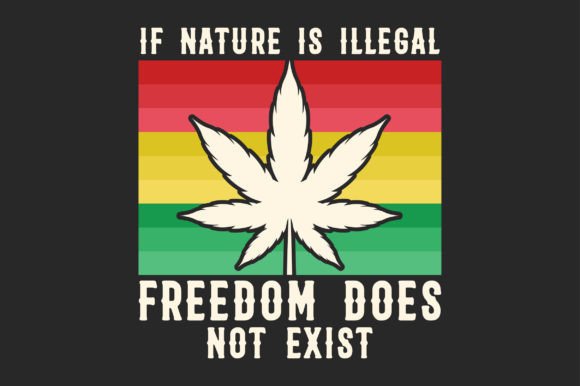
As a designer who spends more time staring at stitch maps than most people care to admit, I approach every new digital embroidery file with a healthy dose of skepticism. We have all been there: you download a gorgeous graphic, convert it, and suddenly your machine is throwing thread breaks or the detail is lost in a sea of satin stitches. That is why I took a close look at the Cannabis Weed Typography SVG Sublimation design before committing it to a client project. This isn't just about whether the image looks cool on a screen; it is about how those 100 vector shapes translate into thread, fabric, and ultimately, a finished product that holds up in the real world.
First Impressions: Mood and Layout
When I first opened the files included in this package—specifically the SVG and EPS versions within the broader Crafts and Graphics category—my immediate reaction was to the typographic flow. Typography-based designs are notoriously tricky in embroidery because letters have negative space that can easily fill in if the stitch density is too high. However, the layout here feels intentional. The "weed" theme is executed with a modern, slightly retro vibe that fits perfectly with current streetwear trends. It creates a mood that is relaxed yet bold, making it an ideal candidate for lifestyle branding rather than just a novelty item.
The fact that the description notes it is made with 100 vector shapes is a good sign. It suggests clean lines and distinct color separations, which makes the job of digitizing (or checking an existing digitization) much easier. For an Etsy seller or small shop product creator, this means you aren't fighting messy nodes when you try to resize the artwork for a printable mockup or prepare it for stitching.
Real-World Application: The Tote Bag Test
To truly evaluate this design, I imagined a specific scenario: a custom order for a local boutique needing a run of eco-friendly tote bags. These aren't cheap promotional items; they are premium canvas bags meant for daily use. This is where Cannabis Weed Typography SVG Sublimation really shines as a concept, provided the execution is right.
For a tote bag design, you need something that reads well from a distance but also holds up to scrutiny up close. The typography here has enough weight to stand out against a natural canvas texture. If I were stitching this, I would lean towards a combination of satin stitch for the outlines and a lighter fill stitch for the larger areas to prevent the fabric from puckering. Canvas is sturdy, but heavy density can still warp the handles or the seam allowances. The visual personality of this design suggests it would look fantastic in earth tones—sage greens, terracottas, and deep charcoals—rather than neon brights, which might clash with the organic feel of the product.
Versatility Across Products
Beyond tote bags, this design asset is versatile enough for various custom apparel projects. Imagine this on the chest pocket of a denim jacket or as a central graphic on a heavyweight hoodie. For sweatshirt embroidery, the stretch of the fleece requires careful attention to the underlay. Since the design relies on typography, ensuring the letters don't sink into the nap of the fleece is crucial. I would recommend using a cutaway stabilizer rather than tear-away for these applications to maintain the integrity of the letter shapes over time.
It also works well for embroidered patch creation. If you are running a craft business selling iron-on or sew-on patches, the clear vector lines of this SVG make it easy to create a merrowed edge border around the text. This turns a simple graphic into a high-value design asset that customers love to collect. Even for baby embroidery, if the client requests a softer, whimsical version for a nursery pillow, scaling this down could work, provided the smallest details remain stitchable.
Technical Considerations and Potential Pitfalls
While the aesthetic is strong, we must talk about the technical realities of turning a sublimation-ready SVG into a machine embroidery design. Sublimation files are often optimized for heat transfer, meaning they rely on gradients and solid blocks of color that behave differently when rendered in thread.
- Hoop Size Constraints: Before you start stitching, check the dimensions. If you are working on a cap or a small pocket, ensure the design fits your smallest hoop size without losing the legibility of the typography.
- Fabric Texture: On textured fabrics like waffle knit or heavy linen, fine lines in the typography might get lost. Always test on scrap fabric that matches your final material.
- Thread Colors: The "easy to change colors" feature mentioned in the file description is a huge plus. However, be mindful of contrast. On dark fabrics, you may need to adjust the thread palette to ensure the text pops without looking muddy.
- Small Details: Tiny serifs or intricate flourishes in the weed motifs might need simplification. What looks crisp in a vector preview can become a bird's nest of thread if the details are too tight for your needle size.
Commercial Viability and Licensing
For the commercial embroidery professional, the question of licensing is paramount. While the file comes in multiple formats like AI, EPS, SVG, and PNG, indicating flexibility for both cutting machines and embroidery software, you must verify the specific license terms before selling finished items. Can you sell the stitched shirt? Can you sell the digital file itself? These distinctions define your craft business model. Assuming the license permits commercial use for physical goods, this design has high potential for holiday embroidery gifts or personalized gift lines, especially for clients looking for niche, lifestyle-oriented decor.
Final Verdict: Is It Worth the Stitch?
In my professional opinion, Cannabis Weed Typography SVG Sublimation is a solid addition to a designer's library, provided you treat it as a starting point rather than a plug-and-play solution for every fabric type. Its strength lies in its modern typographic approach and the clean vector structure, which gives us, the makers, control over the final output.
If you are an apparel decorator looking to expand your catalog with trendy, conversation-starting pieces, this design delivers. It offers the kind of visual appeal that drives buyer engagement on social media and at craft fairs. Just remember to respect the limitations of thread and fabric. Test your stitch density, choose your thread colors wisely, and always prioritize the durability of the handmade product. When done right, this design doesn't just sit on a shirt; it becomes part of the wearer's identity, adding value and professionalism to your brand.
So, grab your hoops, check your stabilizer, and give this design a trial run. With the right adjustments, it has the potential to be a best-seller in your small shop product lineup.